How to choose the right location for your shoot
Rate cards make every space look bookable. Here is how producers and scouts actually compare locations: sound, power, load-in, light, and the costs that never make the listing.
Start from the shot list, not the listing
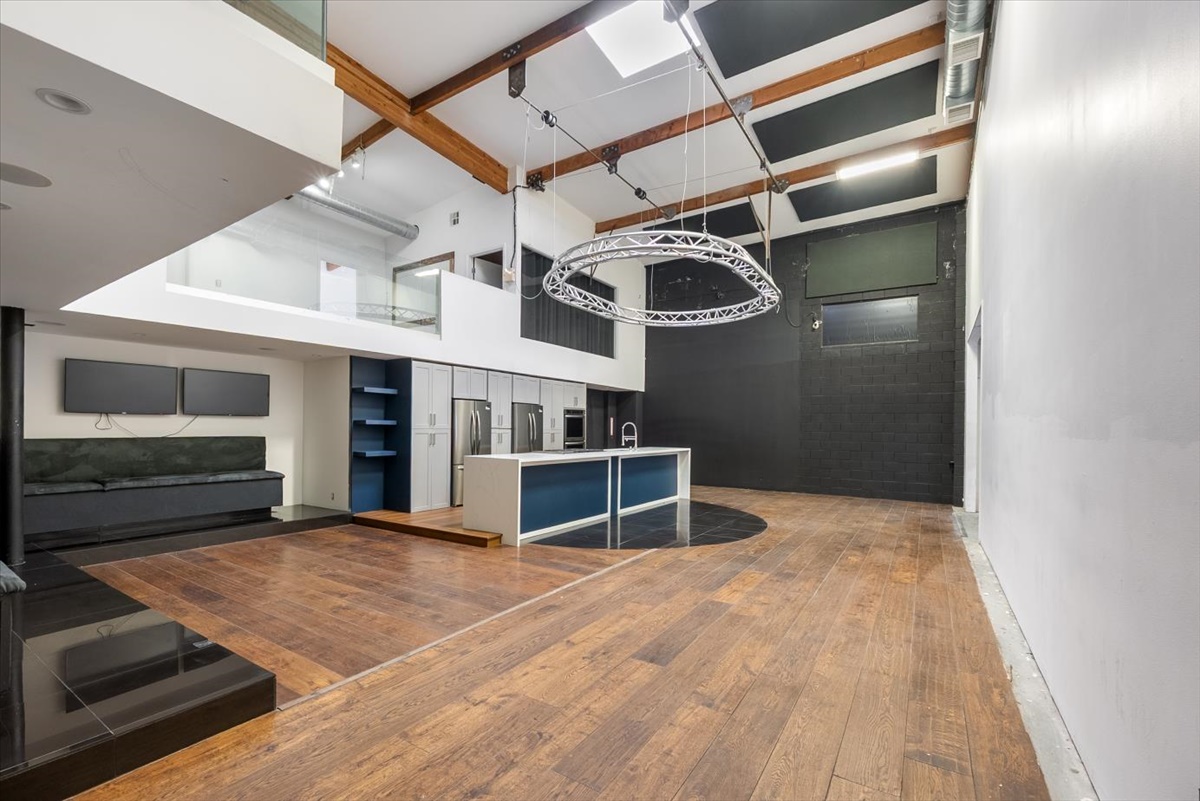
The wrong way to pick a location is to fall for a beautiful room and then bend the shoot around it. Start from what has to be on camera. A dialogue scene needs quiet more than it needs square footage. A product shoot needs controllable, repeatable light. A cooking segment needs working plumbing and appliances more than it needs style, which is why a practical kitchen set beats dressing a fake one for most food work. Write the three things your shoot cannot survive without, and evaluate every space against those first.
Sound is the thing you cannot fix in post, affordably
If your production records dialogue, sound quality should outrank almost everything else. On a scout, stand in the middle of the room, ask for silence, and listen for the air conditioning, the neighbors, and the street. Ask directly: can the HVAC run while sound rolls, or does it have to cycle off? A stage with silent air is a different day than a stage where you trade audio takes against room temperature. Flight paths, freight corridors, and thin roll-up doors all show up in your audio later.
Power, load-in, and parking decide your first hour
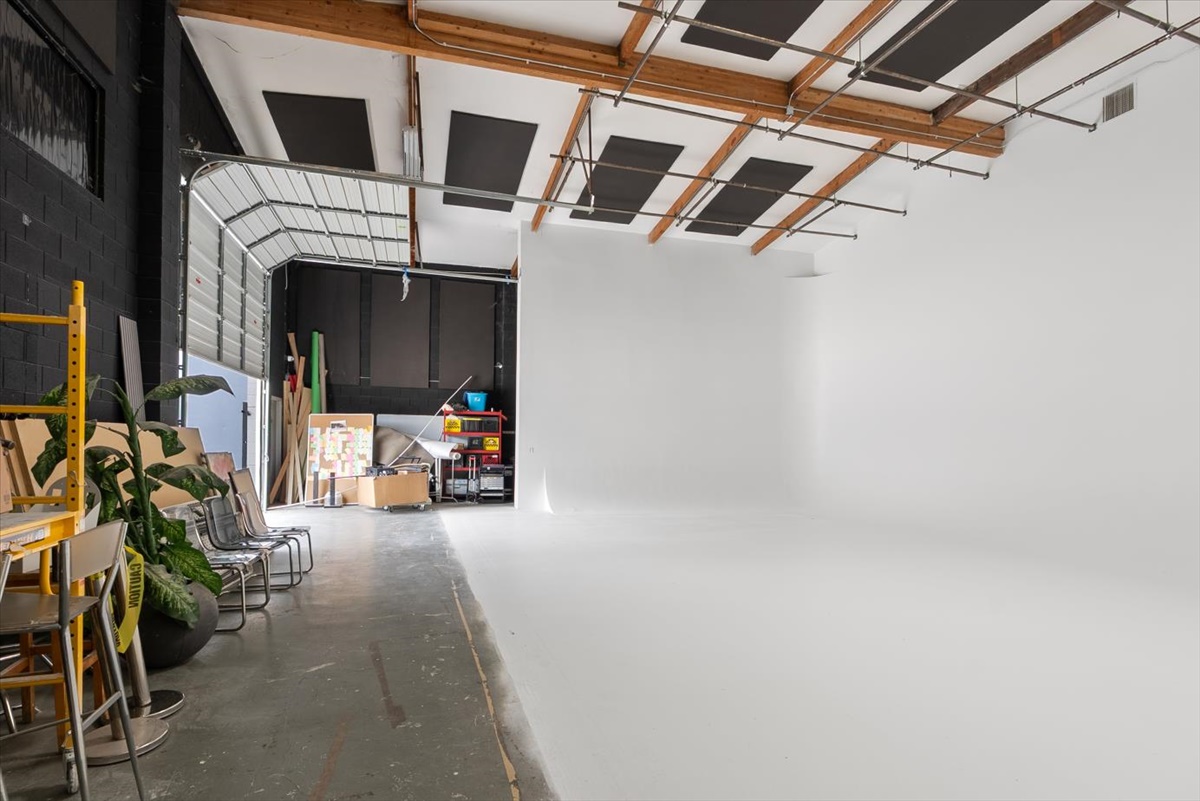
Three questions tell you most of what you need: what power is available and where, how gear gets from the truck to the room, and where the vehicles live all day. Drive-in access through a roll-up door is the gold standard for heavy days. Gated parking inside the property means your grip truck, client cars, and crew all land without a street-parking scavenger hunt. If the answer to any of these is vague on the phone, that is exactly what a walkthrough is for.
Light: control beats quantity
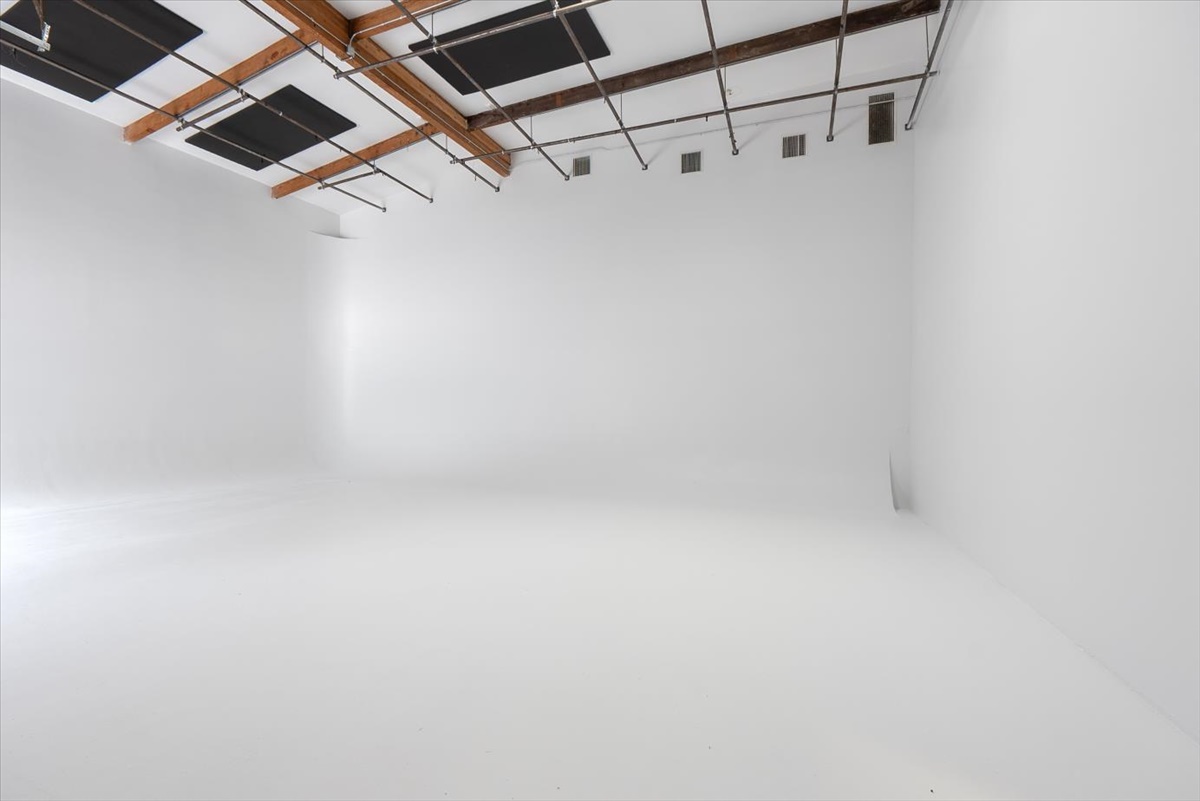
Windows are a gift for documentary and lifestyle work and a liability for anything that needs consistency across a long day. The question is not whether a space has natural light but whether you can turn it off. Full blackout capability means your 4pm setup matches your 10am setup. Skylights with a blackout option, like on a cyc stage, give you both modes in one room.
Location math: the zone, the moves, the fees
In Los Angeles, staying inside the 30-mile studio zone keeps crew mileage and per diem rules simple, which is real money on union jobs. Fewer company moves beats a cheaper second location almost every time, so a campus where offices, stages, and multiple looks sit on one lot can quietly replace two or three separate bookings. Then read past the day rate: stage manager or site rep fees, cleaning, overtime multipliers, insurance requirements, and what happens to your deposit if dates shift. A listing that looks cheaper can price out more expensive once the required line items land.
The scout checklist
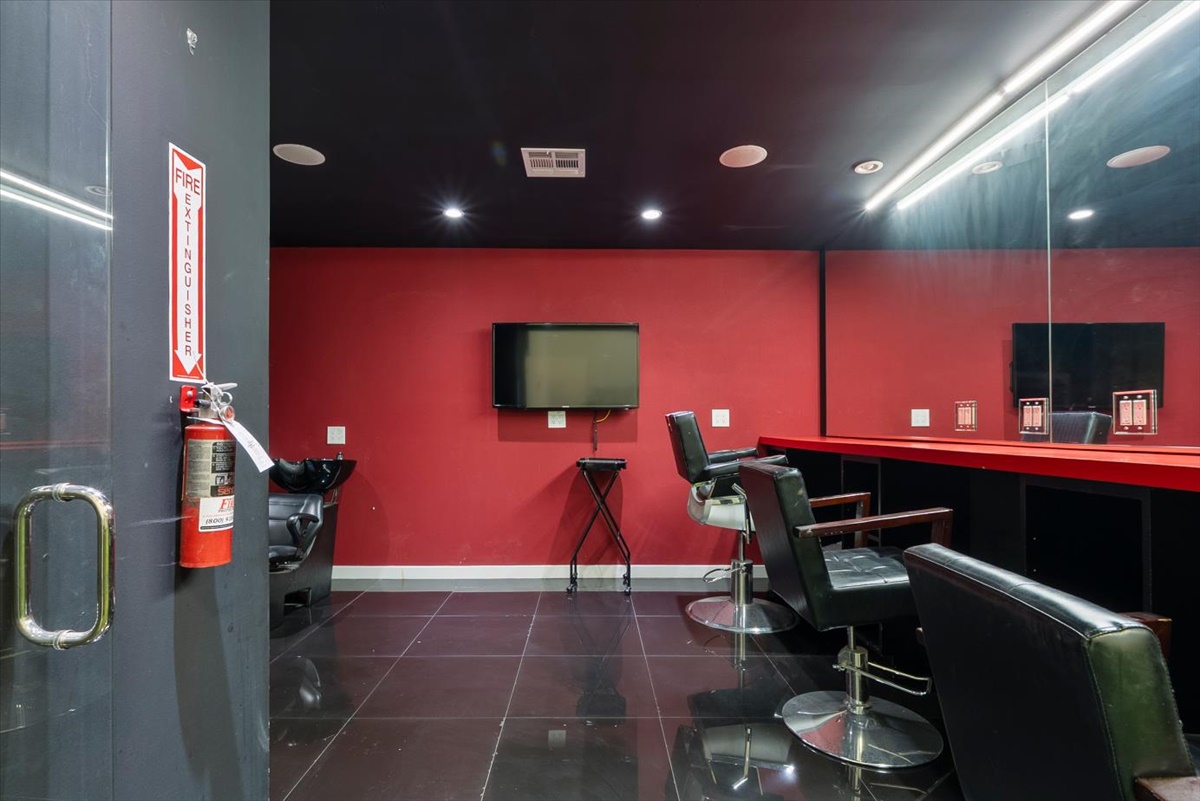
Bring this on every walkthrough: ceiling height at the lowest point, door dimensions for your largest piece, power location and capacity, HVAC noise with doors closed, bathroom count and condition, holding and green room location, cell signal inside, load-in path from truck to room, parking count, and the name and number of the person who will be on site on your date. Ten minutes of notes turns a pretty visit into a decision.
Then test the answer in person. Our campus does free 30-minute walkthroughs on weekdays, and scouts are welcome to bring the whole checklist: book a time here.