What to sort out before shoot day
The unglamorous checklist that separates a smooth 12-hour day from an expensive one. What producers lock down in the week before cameras roll.
Walk the space before you commit
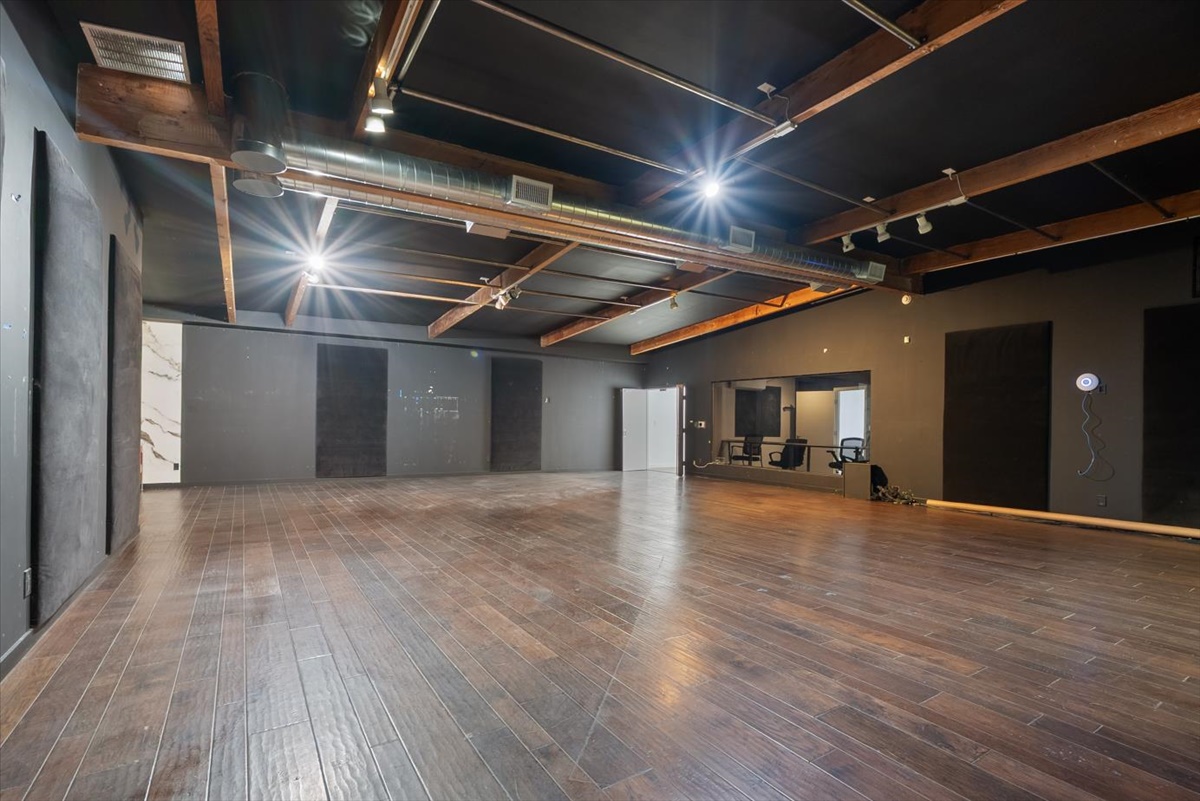
Photos flatten rooms and floor plans lie about ceilings. Before you sign anything, walk the location with the people who will actually load in: your gaffer or your key grip if you can get them, or at minimum whoever is driving the truck. You are looking for four things: where the power lives, how gear physically enters the room, where the truck and crew cars park, and what the room sounds like with the doors closed and the air on.
Thirty minutes on site answers questions that would otherwise become surprises at 7am on shoot day. Most stages will host you for free. Ours does: book a walkthrough any weekday and bring your keys with you.
Get the insurance moving early
Almost every legitimate stage and location requires a certificate of insurance before load-in, commonly at the one million dollar general liability level. If your production company carries an annual policy, requesting a certificate that names the location usually takes a day. If you are not covered, short-term production policies exist for exactly this and can often be issued same day online, but do not leave it for the night before. The venue needs to verify it, and a missing COI is one of the few things that will genuinely stop a load-in at the door.
Ask the location early what they require and who the certificate holder should be. It is a five-minute email that protects the whole day.
Know whether you need a permit
The rule of thumb in Los Angeles: filming inside a private stage or studio property generally does not require a film permit, while shooting on streets, sidewalks, parks, and most exterior locations does. If any part of your day touches public property, even a shot of the crew walking in from the street, check with FilmLA, which coordinates permits for the City and County of Los Angeles. Permits take days, not hours, so this belongs in the same week as your insurance, not the day before.
Plan the load-in like a scene
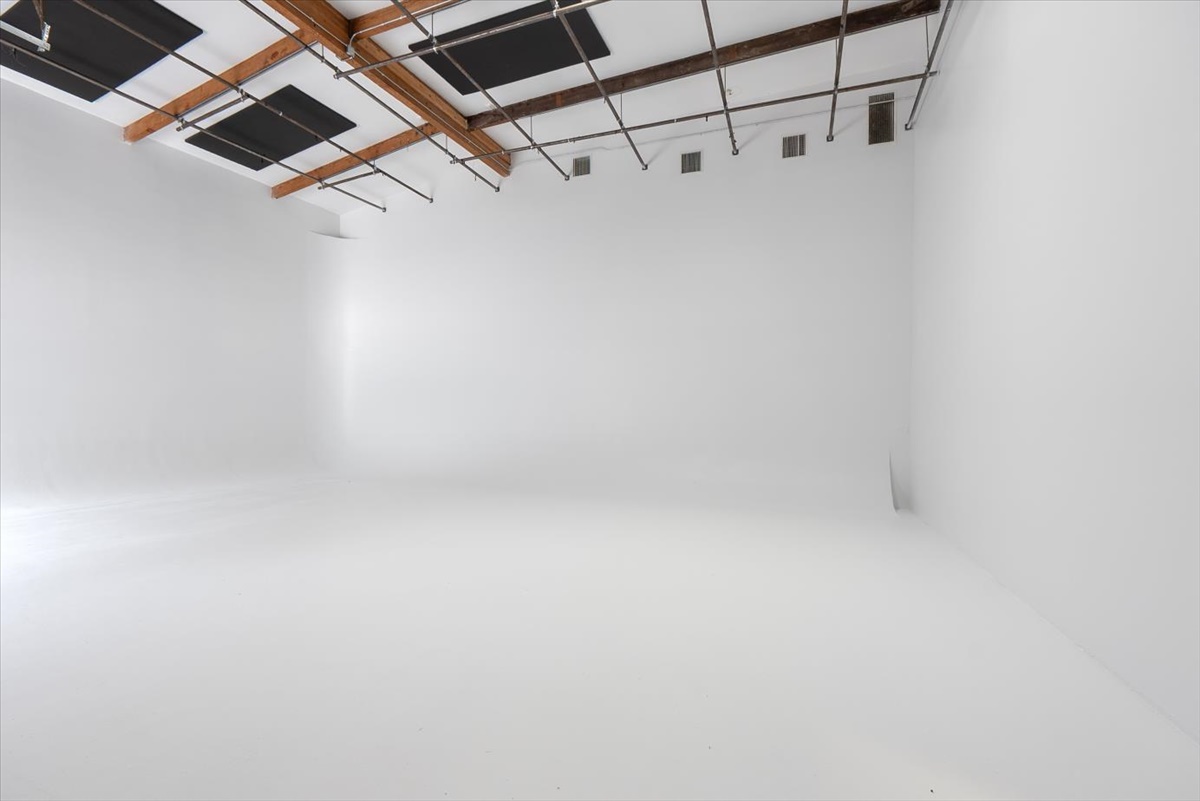
The first and last hour of a stage day are logistics, not photography. Sketch them out: what time the truck arrives, who opens the building, which door the gear comes through, where carts stage, and who resets the room at wrap. Ask the stage three specific questions: is there drive-in access or a dock, how many parking spots are inside the gate, and is there a host or stage manager on site who runs load-in. A room with a roll-up door and gated parking, like a drive-in cyc stage, can save you a full hour against a location with street parking and a corridor.
Pad the schedule where days actually break
Days rarely blow up in the middle. They blow up at the transitions: company moves, meal breaks that start late, and the last setup of the day. A 12-hour stage day is the industry standard window, and overtime past it is usually billed at a premium at any stage you rent. Build your schedule backward from hard out, protect the meal break, and put your most complicated setup immediately after lunch rather than at 6pm. If the math only works with zero mistakes, the math does not work.
Feed people and give them somewhere to be
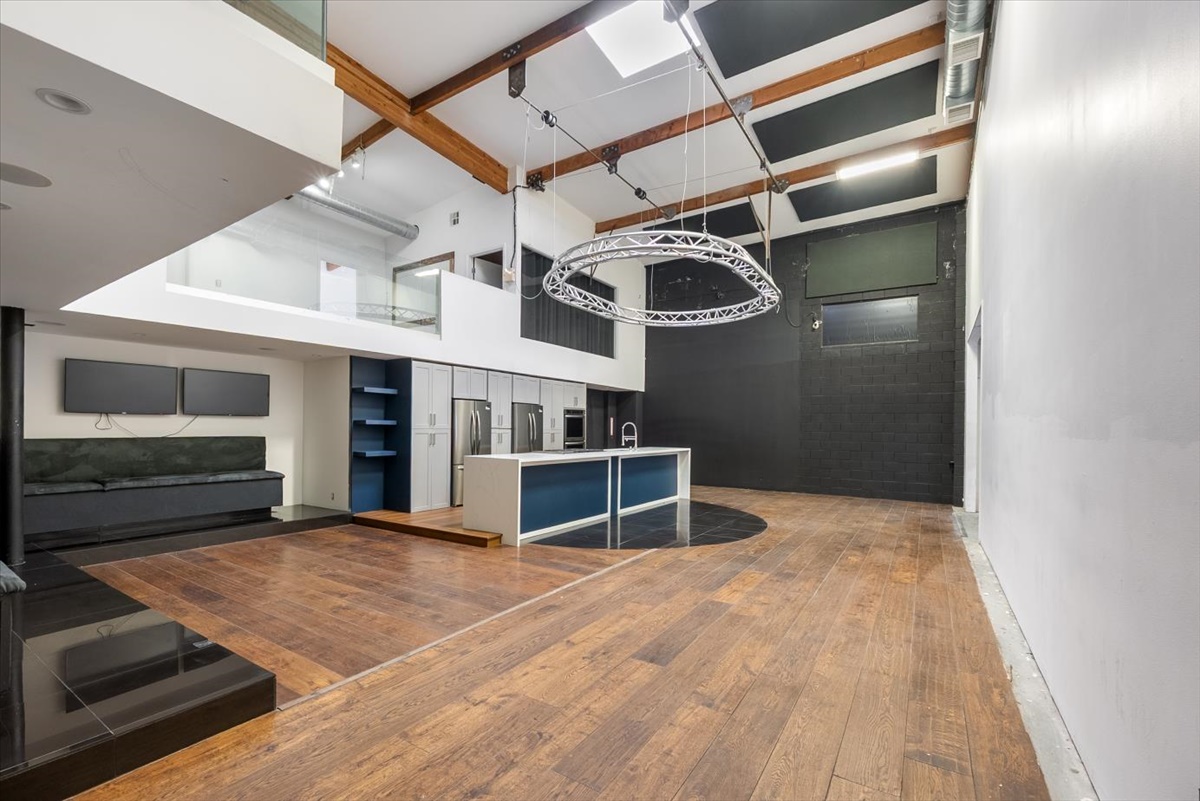
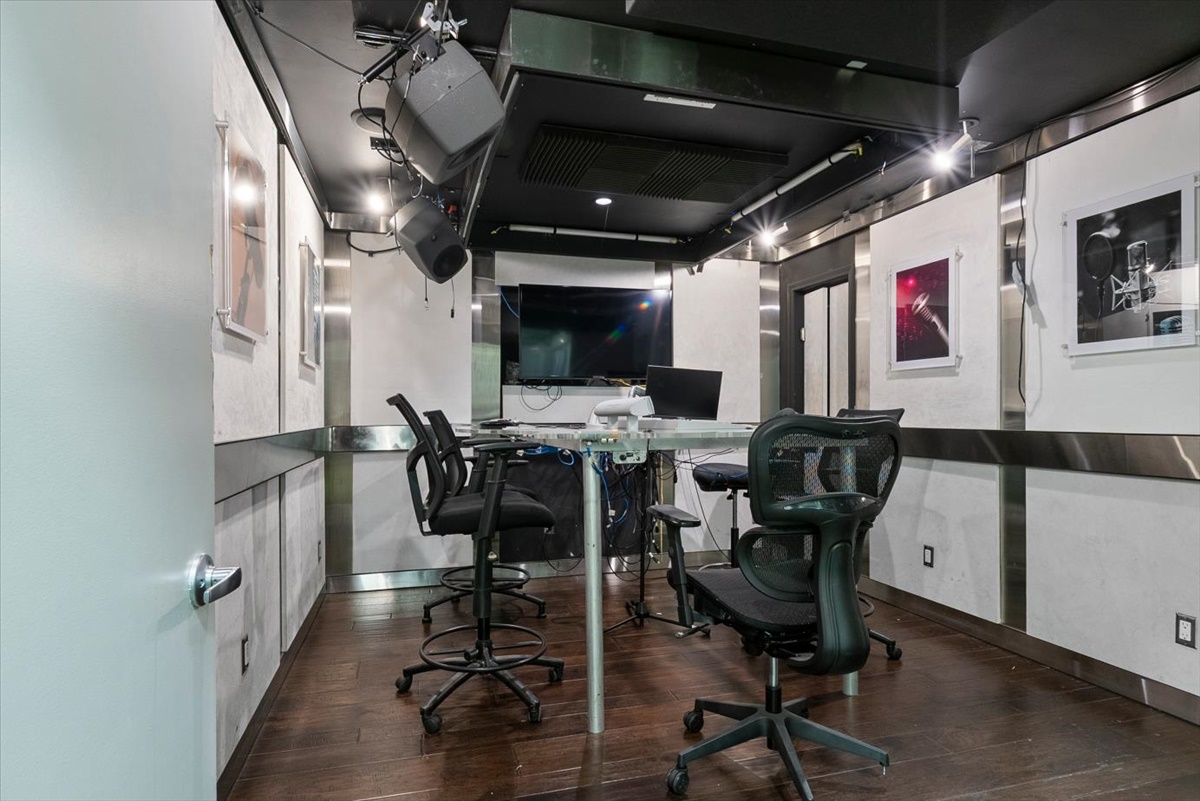
Holding space is the difference between a set that feels professional and a hallway full of irritated people. Confirm where talent gets ready, where clients sit, and where crew eats. Ask what comes free with the room. Green rooms, a salon for hair and makeup, and a lounge are standard at some stages and an upcharge at others. It is worth knowing which before you budget craft services around a parking lot.
The night-before list
Call sheet out by early evening with the address, parking instructions, and the host's phone number. COI confirmed received by the venue. Gear manifest checked against the truck. Weather checked if any part of the day is exterior. And one person, usually the producer, holds the direct line to the location so that 7am questions have a 7am answer.